Share
Author
Stacey Baker
Share

Westfield, Indiana has become one of the most talked about cities in Central Indiana’s economic development landscape. What began as a suburban hub is now a center for innovation, investment, and strategic growth—supported by data-driven planning and long-range infrastructure design.
From industrial expansion to downtown redevelopment, Westfield’s approach reflects a city not just growing in size, but in economic strength. For small and mid-sized businesses looking to locate or expand in the region, Westfield’s blueprint for development offers a rare combination of opportunity, stability, and collaboration.
Infrastructure and Connectivity Powering Westfield’s Growth
Few cities in Indiana have invested as strategically in transportation and accessibility as Westfield. The expansion of U.S. 31 created a high-capacity corridor linking key business hubs across Carmel, Noblesville, and Indianapolis’s north side, giving companies direct access to major markets and suppliers. At the same time, the ongoing State Road 32 improvement project is modernizing intersections and utilities to handle increased commercial activity and future growth. Complementing these efforts, more than 50 roundabouts now keep traffic moving efficiently throughout the city, reducing congestion and improving logistics for local employers.
Together, these projects create the infrastructure backbone of Westfield’s economic development—supporting workforce mobility, shortening delivery routes, and ensuring the city remains positioned for sustained business expansion across Central Indiana.
Strategic Economic Development Zones for Modern Business
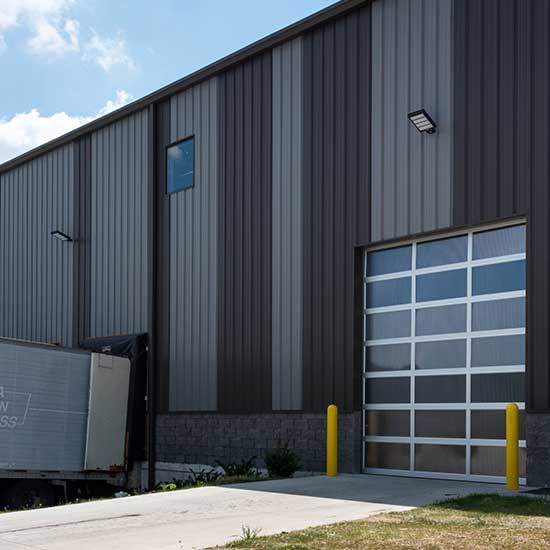
Intentional planning—not chance—has shaped Westfield’s rapid development. Designated business districts such as NorthPoint Business Park were created to attract logistics providers, advanced manufacturers, and regional service companies seeking modern, flexible facilities and efficient access to major transportation routes. The park’s infrastructure, location, and flexible zoning make it a prime site for companies looking to scale operations while remaining connected to the broader Central Indiana market.
City planners have also embraced a mixed-use development model that clusters commercial growth near residential and retail corridors. This not only strengthens local commerce but also supports a live-work dynamic that appeals to today’s workforce. By aligning planning efforts, development strategy, and community design, Westfield continues to offer investment-ready sites that position businesses for long-term success.
Downtown Revitalization Strengthening Westfield’s Economic Core
Westfield’s growth isn’t confined to its outskirts. Through its Downtown Revitalization Plan—featuring projects like Union Square and major upgrades along Main Street—the city is reshaping its center into a vibrant, investment-ready district designed for both business and community engagement.
Renovated storefronts are now home to restaurants, boutique retailers, and professional firms that benefit from increased foot traffic and modernized infrastructure. These projects, supported by proactive local leadership and private-sector collaboration, are reinvigorating the city’s core and elevating downtown as a focal point for economic vitality. The result is a district that blends commercial energy with historic character—an appealing environment for business owners drawn to growth, visibility, and connection.
Public-Private Investment Fueling Regional Economic Expansion
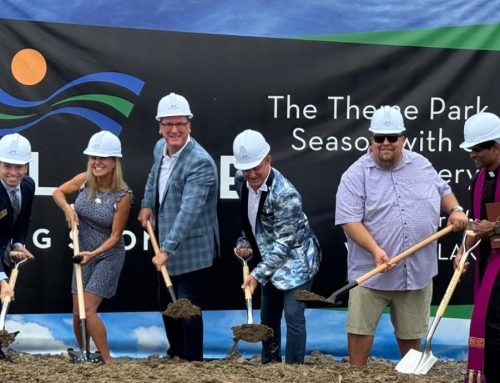
The rise of Westfield is driven not only by population growth, but also by targeted investment that aligns closely with the city’s long-term economic development strategy. Projects such as West Fork Whiskey Co.’s agritourism campus, Grand Junction Plaza, and the expanding trail network showcase how coordinated public-private investment can strengthen the local economy while enhancing regional appeal. Each contributes to year-round activity that supports retail, hospitality, and light industrial sectors across Central Indiana.
These initiatives highlight how partnerships between the city of Westfield, private developers, and regional investors can generate measurable returns. Beyond attracting visitors, they expand employment opportunities, increase the commercial tax base, and create an environment where supporting industries—from suppliers to service providers—can thrive alongside Westfield’s continued growth.
A Long-Term Vision for Sustainable Development
Unlike communities that respond to growth as it happens, Westfield plans for it. Population increases have been accompanied by deliberate infrastructure expansion, balanced land use, and ongoing investment in sustainability and resource efficiency. This measured approach has built lasting confidence among investors and developers, reinforcing Westfield’s reputation as one of Central Indiana’s most forward-thinking cities.
For businesses, that consistency translates into reliability and long-term value. Whether in logistics, light manufacturing, or professional services, companies benefit from an environment supported by smart policy, efficient infrastructure, and an unwavering commitment to sustainable development. In Westfield, progress isn’t temporary—it’s intentional, structured, and built to last.
The Future of Economic Development in Westfield
As Westfield continues to evolve, its focus on intentional, high-quality economic development remains a defining strength. The next decade promises continued investment along major corridors, the creation of diverse business districts, and new public-private partnerships designed to support sustainable growth across every sector. For companies watching the Central Indiana market, Westfield stands as proof that progress and strategy can move in step—a city where investment confidence runs deep, and where the foundation for future economic success is already in place.
Ready to explore what Westfield’s growth could mean for your business?